Antisocial behaviour (ASB) can significantly impact businesses, profitability, reputation, and the safety of your people.
This article delves into the various forms of ASB, from noise and vandalism to intimidation and harassment, and offers practical strategies for businesses to recognise, manage, and mitigate these challenges. By prioritising employee safety, enhancing physical security, and fostering effective communication and conflict resolution, businesses can create a safer and more positive environment for everyone involved.
What is anti-social behaviour?
Antisocial behaviour refers to unacceptable behaviours that “cause harm to an individual, their community, or the environment,” but antisocial behaviour can pose significant challenges for businesses too. To help protect against these challenges business owners need to prioritise the safety of their employees, teaching staff how to handle antisocial behaviour whilst taking steps to secure and protect their business.
Types of anti-social behaviour include (but are not limited to):
- Noise
- Anti-social drinking
- Shouting & fighting
- Vandalism, graffiti & property damage
- Intimidation, verbal abuse & harassment
- Dumping rubbish
Recognising the signs
Recognising the signs of antisocial behavior is crucial for maintaining a safe and positive environment. It’s important to educate your staff on the various types and common indicators of such behavior. By understanding these signs, they can detect issues early on, which is vital for preventing escalation. Encourage your staff to trust their instincts; if something feels off, it likely is. Instincts can be a powerful tool in identifying potential problems. Additionally, ensure that your team is prepared to act swiftly if they notice any signs of antisocial behavior. Quick action can mitigate risks and help maintain a secure atmosphere for everyone involved.
Ensuring an area is safe
Ensuring the area is safe is a critical step in managing any situation involving ASB. Always begin by assessing the situation to confirm that the environment is secure for everyone involved. This includes removing onlookers to prevent any escalation and to protect bystanders from potential harm. If you believe that someone is in immediate danger, do not hesitate to call 999 right away. Quick and decisive action can make a significant difference in ensuring the safety and well-being of everyone present.
Communicating calmly and clearly
Communicating calmly and clearly is essential for effective interaction, especially in challenging situations. Teach your team the importance of active listening and responding in a calm manner. This approach helps to de-escalate potential conflicts and fosters a more constructive dialogue. It’s also crucial to train staff to avoid engaging in arguments or debates, as these can exacerbate tensions. Instead, encourage the use of empathetic phrases like “I understand” and “let’s try and find a solution.” These expressions can help to build rapport and guide conversations towards positive outcomes.
Conflict resolution
Effective conflict resolution is essential for maintaining a harmonious environment. Start by providing your team with a simple, step-by-step guide for handling disputes. This guide should outline clear procedures to follow, ensuring consistency in how conflicts are managed. Introduce methods such as mediation and negotiation to help resolve conflicts amicably. These techniques can facilitate open communication and mutual understanding between parties. It’s also important to recognise when to step back and call in professionals if the situation escalates beyond your team’s capabilities. Finally, schedule regular training sessions to keep conflict resolution skills fresh and up-to-date. Continuous learning and practice will empower your team to handle disputes effectively and confidently.
Protecting your business and our final thoughts
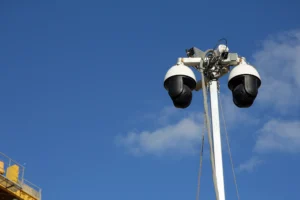
Protecting your business is paramount, and there are several measures you can take to enhance security. Start by improving the physical security of your premises, such as installing alarms. This can act as a deterrent to potential intruders and provide an immediate alert in case of unauthorized access. Additionally, installing CCTV cameras and comprehensive security systems can further deter antisocial behavior and create a safer environment for both employees and customers.
It’s also crucial to implement clear guidelines and policies on how to handle antisocial behavior. Ensure that all staff members are well-informed about these policies and know the appropriate steps to take when such behavior is encountered. Engaging with the local community and authorities can also promote safety and provide additional support. Building strong relationships with local law enforcement and community organizations can help create a network of support and enhance overall security efforts.