Security services play a critical role in preventing and dealing with countless incidents for many organisations every year. Having the right measures in place ensures an organisation runs efficiently and effectively, and keeps its people, premises, and important assets safe and secure.
In this short article, we share some of the key types of security and areas to consider.
CCTV (Closed-Circuit Television)
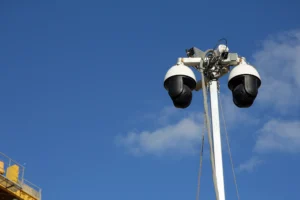
This is one of the most common types of security for business premises and is highly customisable depending on the facility, building type and premises. They can be used for site surveillance around the clock, helping a business to keep watch of all areas of your site – from the building’s entrances to other vulnerable spots. They offer a number of primary security benefits. The first is that you are able to keep a close watch (with full recording and footage backup) of your entire site at all times – both when people are on-site and during the night when there may be nobody around. They also act as a great visual deterrent, having been shown to lower crime thanks to their ability to put off low level criminals who are afraid of being recognised and caught.
Manned guarding (or security guards)
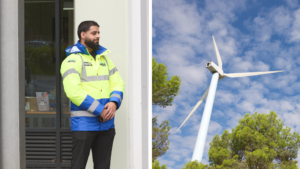
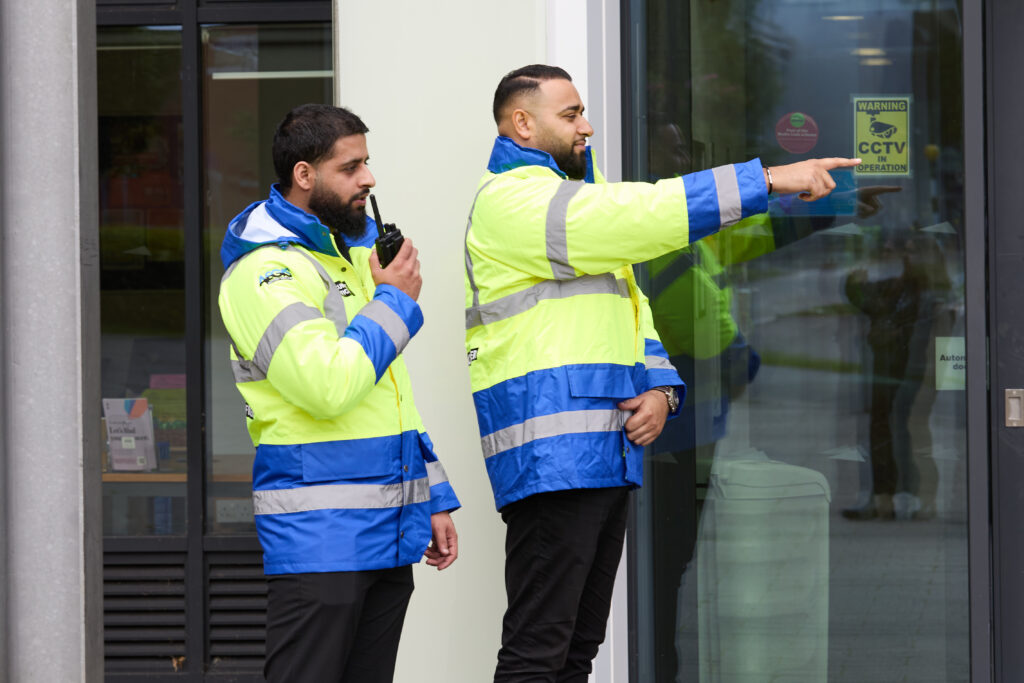
Manned guarding (or security guards) is arguably the most effective form of site security, giving you the ability to detect and react to incidents in real-time. A physical security guard presence can work on several levels, acting as a visual deterrent, prevention system, and staff support team. Whilst they are one of the more expensive forms of physical security, it is one of the only methods that can help to resolve incidents in real-time, when they happen, which could save your business significant time and resources over time. When considering this type of service, it is important to scope out your requirements and understand any specific areas of vulnerability your business premises has.
Mobile patrols
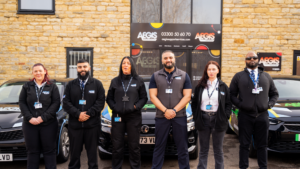
Mobile patrols involve patrol vehicles monitoring your site throughout the day and night, helping to keep the area safe and completing regular checks to make sure that your business is safe. High-profile branded vehicles are used to create maximum visibility and act as a deterrent as they patrol the area, helping to minimise any potential crime or vandalism. These patrols can be scheduled randomly or at specific ‘high-risk’ times to suit a business’ operation. Officers can then carry out regular checks on access points, identify potential security risks, and provide ongoing reports to keep a business up to date.
Lighting
Having adequate lighting across a business premises may sound like an obvious measure, but for many businesses, this might not be implemented correctly. Well-lit areas deter potential criminals and would-be trespassers and ensure your CCTV cameras can capture clear footage, even during nighttime. In the event of an emergency situation or a security breach, well-lit escape routes are also essential in assisting employees and customers that might be on the premises to evacuate in a safe manner. To ensure lighting is setup correctly on a premises, businesses should consider where the areas of vulnerability are and work with a professional to ensure they install the right technology.
And finally…
To ensure the safety and security of your business, premises and assets, every business should create a comprehensive security strategy and plan.
Security is also an ongoing process and businesses should regularly review, assess, and update their security measures and policies to adapt to changes in the external environment and any evolving threats.